Discover the flexibility of TangoBlackPlus—a soft, rubber-like photopolymer material for PolyJet 3D printing,
offering excellent elongation, high tear resistance, and Shore hardness as low as 27A, ideal for prototypes
requiring flexibility, soft touch, and rubber-like properties.
Material Name:
Tango Black Plus FLX980
Description:
TangoBlackPlus is a flexible, rubber-like 3D printing material used in PolyJet processes. It offers high
elongation at break, excellent tear resistance, and a soft feel with a Shore A hardness of 27. The
material is ideal for producing prototypes and models that require flexibility, such as seals, grips,
gaskets, and overmolded parts. It is often combined with Vero White Plus for multi-material prints.
Material Type:
Flexible Photopolymer Resin
Price:
Available color:
Black
Process compatibility:
PolyJet compatible
Special Properties:
High Flexibility (Shore A 27)
Rubber-Like Feel
Excellent Tear Resistance
Good Elongation at Break
Multi-Material Printing Capabilitie
Limitations:
Limited Mechanical Strength
Not Suitable for High-Temperature
Applications
UV Sensitivity
May Degrade Over Time with Use
Material rating
Key Tango Black Plus properties rated to guide you in selecting the best fit for your 3D printing needs.
Strength2 of 5
Flexibility5 of 5
Detail Resolution4 of
5
Surface Smoothness5 of
5
Heat Resistance1 of 5
Chemical Resistance2 of
5
Ease of Printing5 of 5
Cost Efficiency2 of 5
Applications
TangoBlackPlus is ideal for producing flexible prototypes and models that require
rubber-like properties. It is suitable for applications where soft touch, elasticity, and flexibility are
essential.
Product Design and Development Applications
Grips and handles
Seals and gaskets
Overmold simulations
Medical and Wearables Applications
Anatomical models
Custom-fit devices
Wearable prototypes
Consumer Products Applications
Footwear components
Toys and figurines
Flexible enclosures
Automotive and Aerospace Applications
Hoses and tubing
Vibration dampening parts
Flexible connectors
Additional Applications
Multi-Material Assemblies
Prototypes Requiring Soft Touch
Parts with Complex Geometries
Mechanical Properties
Provides high flexibility and elasticity with rubber-like properties, suitable for prototypes requiring
soft touch and flexibility.
Property
Value, metric
Tensile Strength
Approximately 0.8-1.5 MPa
Tensile Modulus
Approximately 0.7-1.5 MPa
Elongation at Break (%)
170-220%
Flexural Strength
Approximately 2-4 kg/cm
Flexural Modulus
Approximately 2,200-3,200 MPa
Notched Izod Impact Strength
Approximately 20-30 J/m
Shore Hardness
Shore A 27
Characteristics
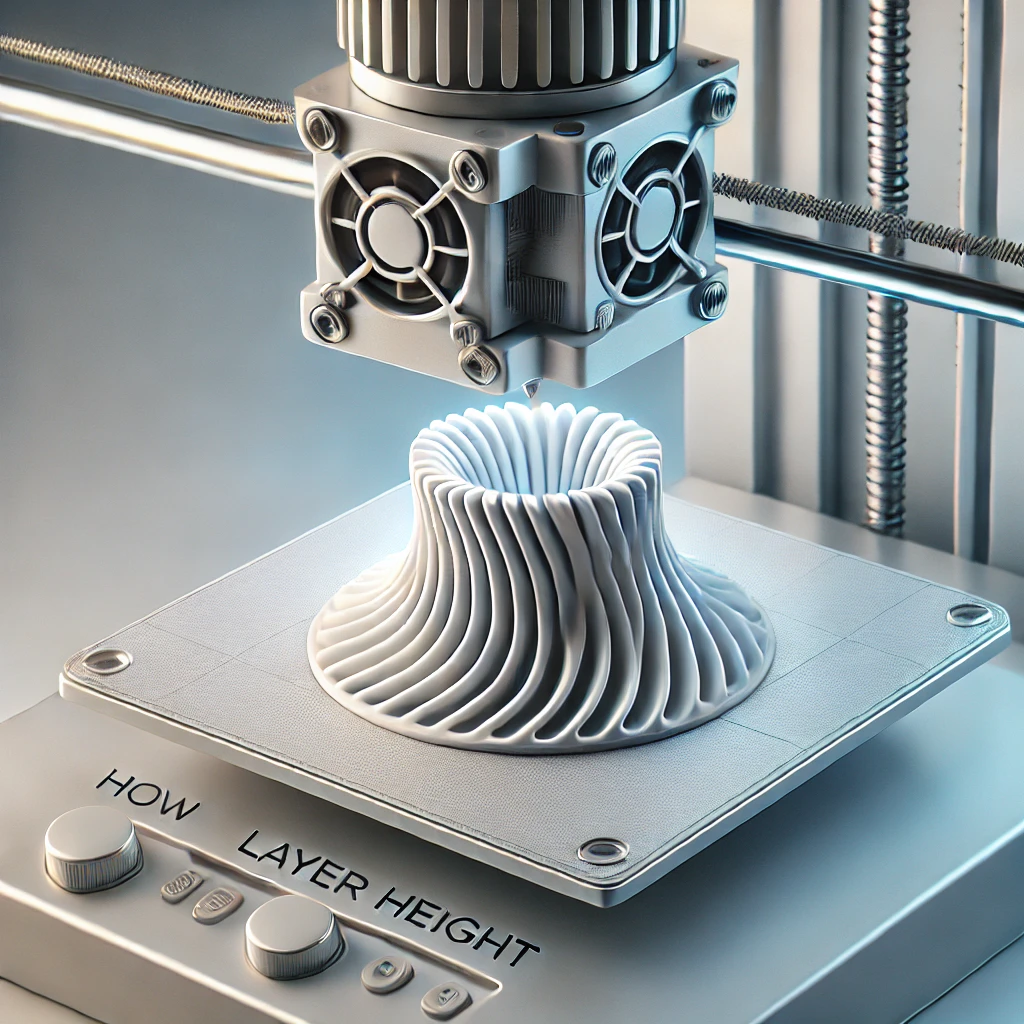
Printing with TangoBlackPlus involves PolyJet technology, which jets layers of flexible
photopolymer resin and cures them with UV light. The process allows for high-resolution printing with smooth
surfaces and fine details. Support material is used for overhangs and is removed during post-processing.
Type
Value
Lead Time
1-3 business days
Wall Thickness
Minimum 1.0 mm
Tolerance
±0.1%, minimum ±0.1 mm
Max Part Size
Up to 490 x 390 x 200 mm
Layer Height
-
Thermal Properties
Low thermal resistance; not suitable for high-temperature applications.
Property
Value, metric
Heat Deflection Temperature (HDT)
Approximately 45-50 °C at 0.45 MPa
Thermal Expansion Coefficient
-
Thermal Conductivity
-
Max Service Temperature
Up to 40°C for continuous use
Electrical Properties
Acts as an electrical insulator, suitable for non-conductive applications.
Property
Value, metric
Dielectric Strength
Approximately 10-15 kV/mm
Dielectric Constant (1 MHz)
Approximately 2.5-3.0
Volume Resistivity
Approximately 10^12 Ω·cm
ESD Safety
Not ESD safe
NOTE: The provided
values are approximate and can vary
based on the specific Tango Black Plus formulation and
manufacturer. Always refer to the manufacturer's technical data
sheet for precise information.
Find your queries
Frequently Asked Question(FAQ)
General
Printing
Post-procesing
Troubleshooting
Advanced
What is TangoBlackPlus, and what are its primary uses?
TangoBlackPlus is a flexible, rubber-like photopolymer material used in PolyJet 3D printing. It
is characterized by its excellent flexibility, high elongation at break, and a soft, rubber-like
feel with a Shore A hardness of 27. This makes it ideal for prototypes and models that need to mimic
the properties of rubber, such as grips, seals, gaskets, and overmolded parts. It is commonly used
in applications where a soft touch and elasticity are essential.
How does TangoBlackPlus compare to other flexible materials?
one of the softest and most flexible materials available for PolyJet 3D printing. It provides a
realistic rubber-like feel, making it an excellent choice for applications that require a high
degree of flexibility and tear resistance. Compared to harder flexible materials, TangoBlackPlus is
more suitable for prototypes that need to bend, stretch, or compress. However, it lacks the
mechanical strength of some tougher elastomers, so it is not ideal for load-bearing or high-stress
applications.
Is TangoBlackPlus suitable for functional parts or just prototypes?
TangoBlackPlus is best suited for prototyping and modeling rather than heavy-duty functional
parts. While it can be used for functional prototypes that need to demonstrate flexibility, it is
not designed to withstand prolonged mechanical stress, high temperatures, or harsh environmental
conditions. It performs well in applications like grips, handles, vibration dampening parts, and
wearable prototypes but should not be used in load-bearing or high-impact scenarios.
Can TangoBlackPlus be used for outdoor applications?
No, TangoBlackPlus is not recommended for outdoor applications due to its sensitivity to UV
light and environmental degradation. Prolonged exposure to sunlight or harsh weather conditions can
cause the material to degrade, lose elasticity, and become brittle. For outdoor or UV-stable
applications, consider using materials specifically designed for weather resistance.
What makes TangoBlackPlus an excellent choice for prototyping?
TangoBlackPlus excels in prototyping because of its realistic rubber-like properties, smooth
surface finish, and ability to produce high-detail, complex geometries. It is ideal for simulating
soft touch and flexible components, making it valuable in product design, medical device
development, and consumer goods prototyping. The material's Shore A hardness of 27 and excellent
tear resistance allow for the creation of parts that feel and perform like real rubber.
What are the mechanical properties of TangoBlackPlus?
TangoBlackPlus has a tensile strength of approximately 0.8-1.5 MPa and a tensile modulus of
0.7-1.5 MPa, giving it high flexibility and elasticity. The material has an elongation at break of
170-220%, which means it can stretch significantly without breaking. It also features a tear
resistance of 2-4 kg/cm and a Shore A hardness of 27, making it ideal for applications that require
a soft, rubber-like feel.
How well does TangoBlackPlus handle repeated flexing and bending?
TangoBlackPlus is designed to withstand repeated flexing, bending, and compression, making it
suitable for applications where parts need to move or stretch frequently. Its high elongation at
break and tear resistance ensure that it can handle dynamic loads without permanent deformation or
tearing. However, it is not meant for applications that require extreme mechanical strength or
resistance to high impact forces.
What is the thermal resistance of TangoBlackPlus?
TangoBlackPlus has limited thermal resistance, with a heat deflection temperature (HDT) of
approximately 45-50°C at 0.45 MPa and a maximum service temperature of up to 40°C for continuous
use. This means it should only be used in environments where temperatures remain below these
thresholds. Exposure to higher temperatures can cause the material to deform or lose its mechanical
properties.
Is TangoBlackPlus UV resistant?
No, TangoBlackPlus is sensitive to UV light and will degrade over time if exposed to direct
sunlight. UV exposure can cause the material to lose elasticity, discolor, and become brittle. It is
important to store and use TangoBlackPlus parts indoors or in controlled environments to maintain
their integrity and performance.
How does TangoBlackPlus perform in chemically harsh environments?
TangoBlackPlus has limited chemical resistance and is not suitable for prolonged exposure to
harsh chemicals, solvents, or oils. These substances can weaken or degrade the material over time.
If chemical resistance is a critical requirement for your application, consider using materials
designed for chemical stability.
What is the process for 3D printing with TangoBlackPlus using PolyJet technology?
TangoBlackPlus is printed using PolyJet technology, which jets layers of flexible photopolymer
resin and cures them with UV light. The process allows for the creation of high-resolution,
rubber-like parts with smooth surfaces and fine details. Support material is used to support
overhangs and complex geometries and is removed during post-processing. The result is a part with
excellent flexibility and a realistic rubber-like feel.
How do I remove support material from TangoBlackPlus prints?
Support material used during the PolyJet printing process can be removed using water jets,
manual scraping, or soaking in a solution that dissolves the support structures. Care should be
taken not to overstretch or damage the flexible part. For more delicate or intricate designs, using
a gentle approach and ensuring all support material is removed without damaging the surface is
crucial.
Can TangoBlackPlus parts be painted or finished?
Yes, TangoBlackPlus parts can be painted or finished, but the process may differ from rigid
materials. Because the surface is flexible, it is important to use paints or coatings that adhere
well to elastic materials and can stretch without cracking or peeling. Special flexible paints are
available that are designed for use on rubber-like surfaces. Be sure to follow the paint
manufacturer's guidelines for the best results.
What are some tips for achieving a high-quality finish with TangoBlackPlus?
Achieving a high-quality finish on TangoBlackPlus parts involves proper post-processing. Start
by carefully removing the support material and cleaning the part. If necessary, use fine-grit
sandpaper to smooth any rough areas, but be gentle to avoid damaging the flexible surface. Apply
flexible paint or coating for a polished look, and ensure the coating can withstand stretching and
flexing without cracking.
Is post-curing necessary for TangoBlackPlus parts?
Post-curing is not typically required for TangoBlackPlus parts, as they are fully cured during
the PolyJet printing process. However, additional UV curing can be performed if extra strength or
stability is needed. Always follow the manufacturer's guidelines to ensure the best results and to
maintain the material's flexibility.
What types of projects are best suited for TangoBlackPlus?
TangoBlackPlus is ideal for projects that require high flexibility, a rubber-like feel, and
excellent tear resistance. Common applications include grips, handles, seals, gaskets, overmold
simulations, and wearable prototypes. It is also used in the automotive and aerospace industries for
vibration dampening parts and flexible connectors. The material's ability to replicate the
properties of rubber makes it valuable in product design and consumer goods prototyping.
Can TangoBlackPlus be used for medical or wearable devices?
Yes, TangoBlackPlus is often used for medical and wearable device prototypes, such as custom-fit
anatomical models, wearable prototypes, and soft-touch medical components. Its high flexibility and
realistic rubber-like texture make it suitable for applications that require a comfortable and
elastic material. However, it is important to note that TangoBlackPlus is not biocompatible and
should not be used for implants or long-term contact with the human body.
Is TangoBlackPlus suitable for creating overmolded parts?
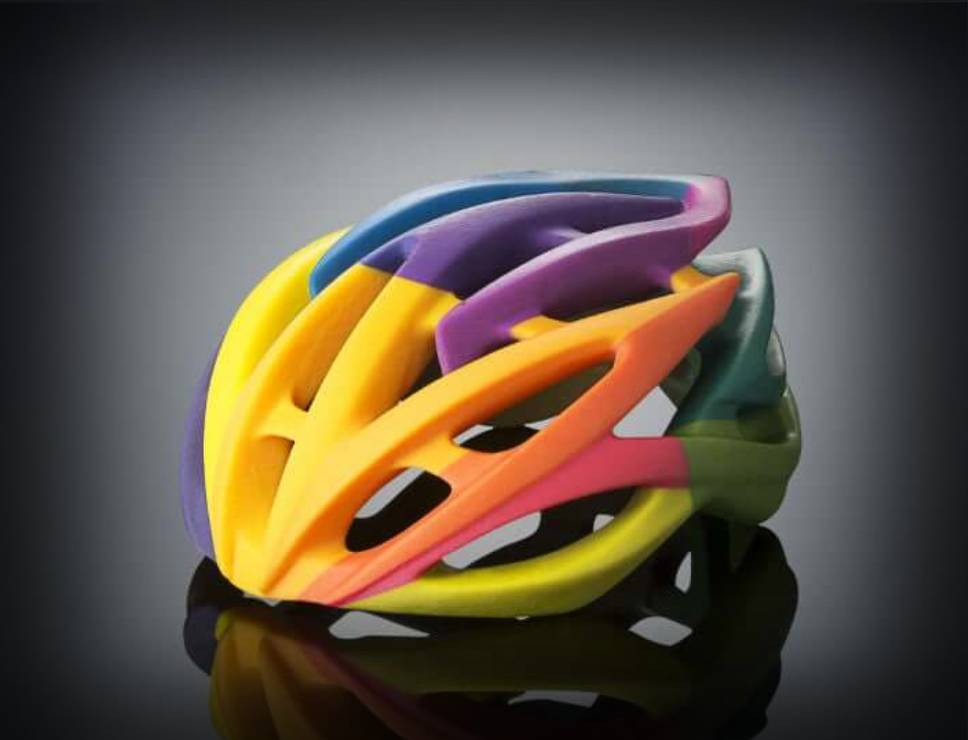
Absolutely. One of the key advantages of TangoBlackPlus is its ability to simulate overmolded
parts. In product design, it can be combined with other PolyJet materials to create prototypes that
feature both rigid and flexible components. This is particularly useful for simulating consumer
products that have soft-touch grips or rubberized surfaces, allowing designers to test and refine
their designs before full-scale production.
What are some examples of TangoBlackPlus in consumer products?
In the consumer products sector, TangoBlackPlus is used to create prototypes for items like
footwear components, flexible enclosures, toys, and soft-touch grips. For example, shoe soles and
cushioning components can be accurately modeled using TangoBlackPlus to test their flexibility and
comfort. The material is also ideal for producing toys that require safe, soft, and elastic
surfaces.
How does TangoBlackPlus perform in automotive and aerospace applications?
TangoBlackPlus is used in automotive and aerospace applications for parts that require vibration
dampening, flexibility, and durability under dynamic conditions. Examples include hoses, tubing,
gaskets, and flexible connectors. While it performs well in these roles, it should be noted that the
material's limited thermal resistance restricts its use to environments where temperatures remain
moderate.
Can TangoBlackPlus be used for load-bearing applications?
No, TangoBlackPlus is not suitable for load-bearing applications. While it offers excellent
flexibility and tear resistance, it lacks the mechanical strength required to support heavy loads or
withstand significant force. If your project involves load-bearing or high-impact parts, consider
using a tougher elastomer or engineering-grade plastic.
How does TangoBlackPlus interact with other PolyJet materials in multi-material printing?
TangoBlackPlus can be used in combination with other PolyJet materials to create multi-material
parts with both rigid and flexible components. This capability is particularly useful for
prototyping products that require a mix of hard and soft features, such as tools with rubberized
grips or electronics with protective covers. The seamless integration of materials allows for
realistic simulations of end-use products.
Are there any health or safety concerns when working with TangoBlackPlus?
As with all photopolymer resins, handling uncured TangoBlackPlus requires caution. Use gloves
and safety goggles to avoid skin and eye irritation. Once cured, the material is safe to handle but
should still be kept away from food and direct skin contact for extended periods. Always work in a
well-ventilated area and follow the safety guidelines provided by the manufacturer.
How does humidity or environmental conditions affect TangoBlackPlus parts?
TangoBlackPlus parts should be stored in a controlled environment to maintain their properties.
High humidity or extreme temperature fluctuations can affect the material's elasticity and surface
quality. While short-term exposure may not cause significant damage, prolonged exposure to
unfavorable conditions can lead to degradation or warping.
Can I recycle or reuse TangoBlackPlus material?
TangoBlackPlus is not recyclable in the traditional sense. Waste material, including support
structures and failed prints, should be disposed of in accordance with local regulations for
photopolymer resins. To minimize waste, optimize your prints and use only the necessary amount of
material. Reusing support material is not possible, so efficient design practices are
encouraged.
Explore Related 3D Printing Materials
This material is used with PolyJet 3D printing technology. Explore other materials that may suit your project:





 sushant@iamrapid.com
 +91
8629044664
+91
8629044664









 Basic
Basic



 PolyJet compatible
 Limited Mechanical Strength

 NOTE: The provided
values are approximate and can vary
based on the specific Tango Black Plus formulation and
manufacturer. Always refer to the manufacturer's technical data
sheet for precise information.
NOTE: The provided
values are approximate and can vary
based on the specific Tango Black Plus formulation and
manufacturer. Always refer to the manufacturer's technical data
sheet for precise information.

