




-
How it works

-
Industries
-
Services
-
Material
-
Company
-
Resources
 sushant@iamrapid.com
 +91
8629044664
+91
8629044664









 Basic
Industries
Services
Resources
Basic
Industries
Services
Resources
Discover ULTEM® (PEI), a flame-retardant, high-performance thermoplastic for FDM 3D printing, known for its exceptional strength, thermal stability, and chemical resistance—ideal for demanding applications requiring high heat and flame resistance.
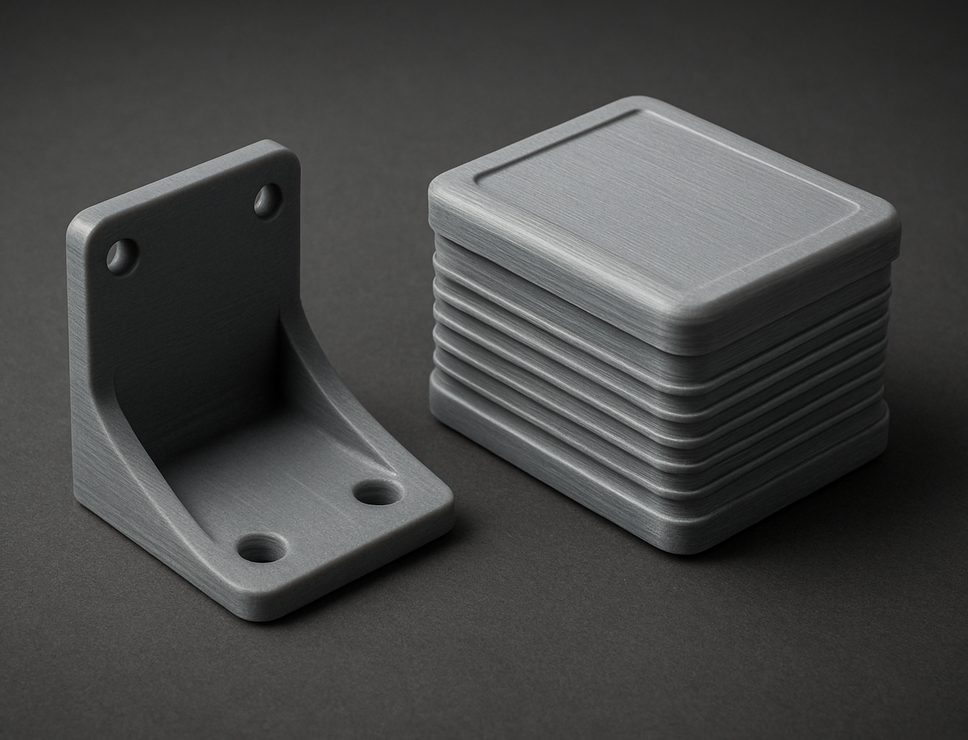
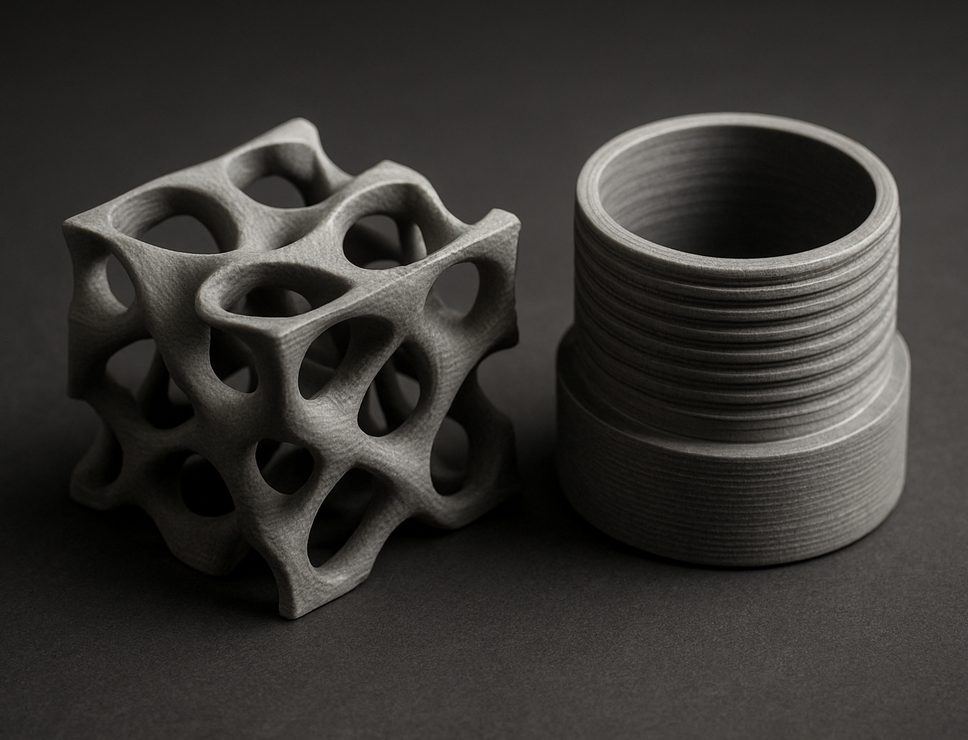
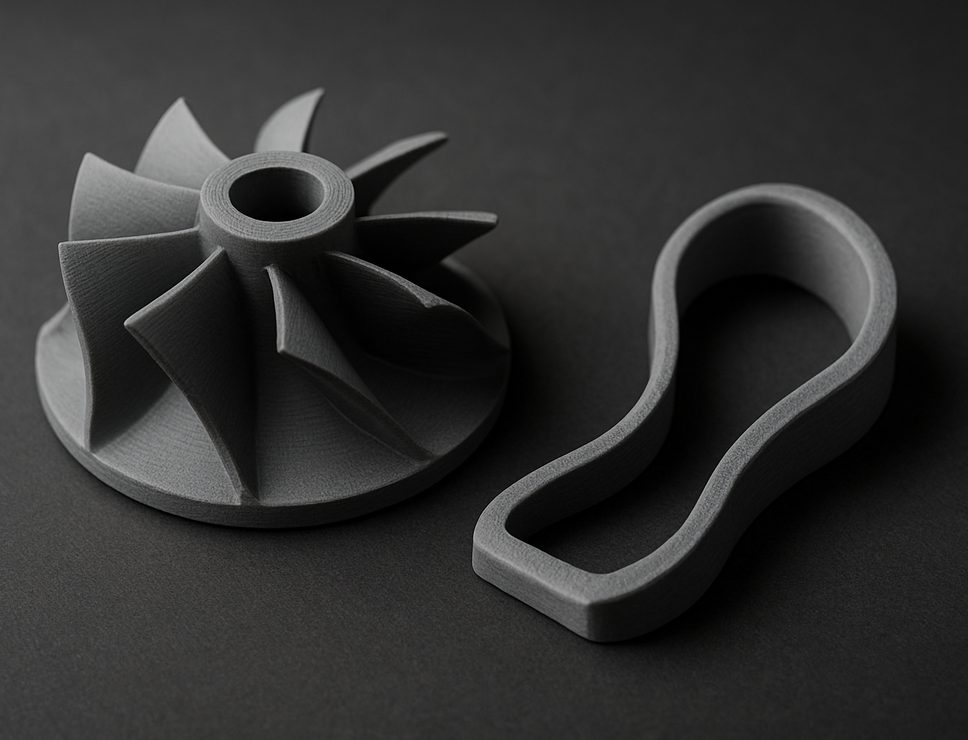


ULTEM® (PEI) is a high-performance thermoplastic offering outstanding mechanical properties, inherent flame retardancy, and exceptional thermal stability. With a UL94 V-0 flammability rating, it meets stringent safety standards without the need for additives. ULTEM® maintains its strength and rigidity at elevated temperatures up to 170°C, making it suitable for aerospace, automotive, medical, and electronics industries. It also provides excellent chemical resistance and dielectric properties. While more challenging to print due to high processing temperatures and equipment requirements, ULTEM® enables the production of functional prototypes and end-use parts capable of withstanding extreme environments.

 FDM compatibleComposite compatibleFlame Retardant (UL94 V-0)High Thermal StabilityExcellent Mechanical StrengthChemical Resistance
 Difficult to PrintRequires High-Temperature
EquipmentExpensive MaterialLimited Color Options
Difficult to PrintRequires High-Temperature
EquipmentExpensive MaterialLimited Color Options
Key Flame Retardant PLA properties rated to guide you in selecting the best fit for your 3D printing needs.
ULTEM® (PEI) is ideal for producing high-performance parts requiring flame retardancy, high heat resistance, and exceptional mechanical properties. Suitable for applications in demanding environments where standard thermoplastics would fail.
Aircraft interior componentsElectrical enclosuresDucting systemsUnder-the-hood componentsSensor housingsHigh-temperature fixturesSurgical instrument componentsSterilization traysDiagnostic equipment partsCircuit board carriersConnectors and insulatorsEnclosuresFunctional PrototypesFlame-Retardant PartsHigh-Temperature ToolingChemical-Resistant Components
Exhibits high tensile strength and rigidity with excellent dimensional stability, suitable for parts under mechanical stress at elevated temperatures.
| Property | Value, metric |
|---|---|
| Tensile Strength | Approximately 95 MPa |
| Tensile Modulus | Approximately 3,200 MPa |
| Elongation at Break (%) | 5% |
| Flexural Strength | Approximately 155 MPa |
| Flexural Modulus | Approximately 3,100 MPa |
| Notched Izod Impact Strength | Approximately 85 J/m |
| Shore Hardness | Shore D 90 |
Printing with ULTEM® (PEI) requires specialized high-temperature 3D printers capable of extruder temperatures above 350°C and heated build chambers. Precise control over printing parameters is essential to achieve optimal layer adhesion and minimize warping.
| Type | Value |
|---|---|
| Lead Time | 3-10 business days |
| Wall Thickness | Minimum 1.5 mm |
| Tolerance | ±0.20%, minimum ±0.2 mm |
| Max Part Size | Up to 450 x 450 x 450 mm |
| Layer Height | 0.1 mm to 0.25 mm |
Exceptional heat resistance, maintaining mechanical properties at elevated temperatures.
| Property | Value, metric |
|---|---|
| Heat Deflection Temperature (HDT) | Approximately 170°C at 0.455 MPa |
| Thermal Expansion Coefficient | Approximately 50 x 10^-6 /°C |
| Thermal Expansion (Scale 0-100) | 50 |
| Max Service Temperature | Up to 170°C before significant deformation may occur |
Excellent dielectric properties, suitable for electrical and electronic applications.
| Property | Value, metric |
|---|---|
| ESD Safety | Not inherently ESD safe; specialized grades may be available. |
| Conductivity | Non-conductive; excellent insulating properties |
 NOTE: The provided
values are approximate and can vary
based on the specific Flame Retardant formulation and
manufacturer. Always refer to the manufacturer's technical data
sheet for precise information.
NOTE: The provided
values are approximate and can vary
based on the specific Flame Retardant formulation and
manufacturer. Always refer to the manufacturer's technical data
sheet for precise information.

