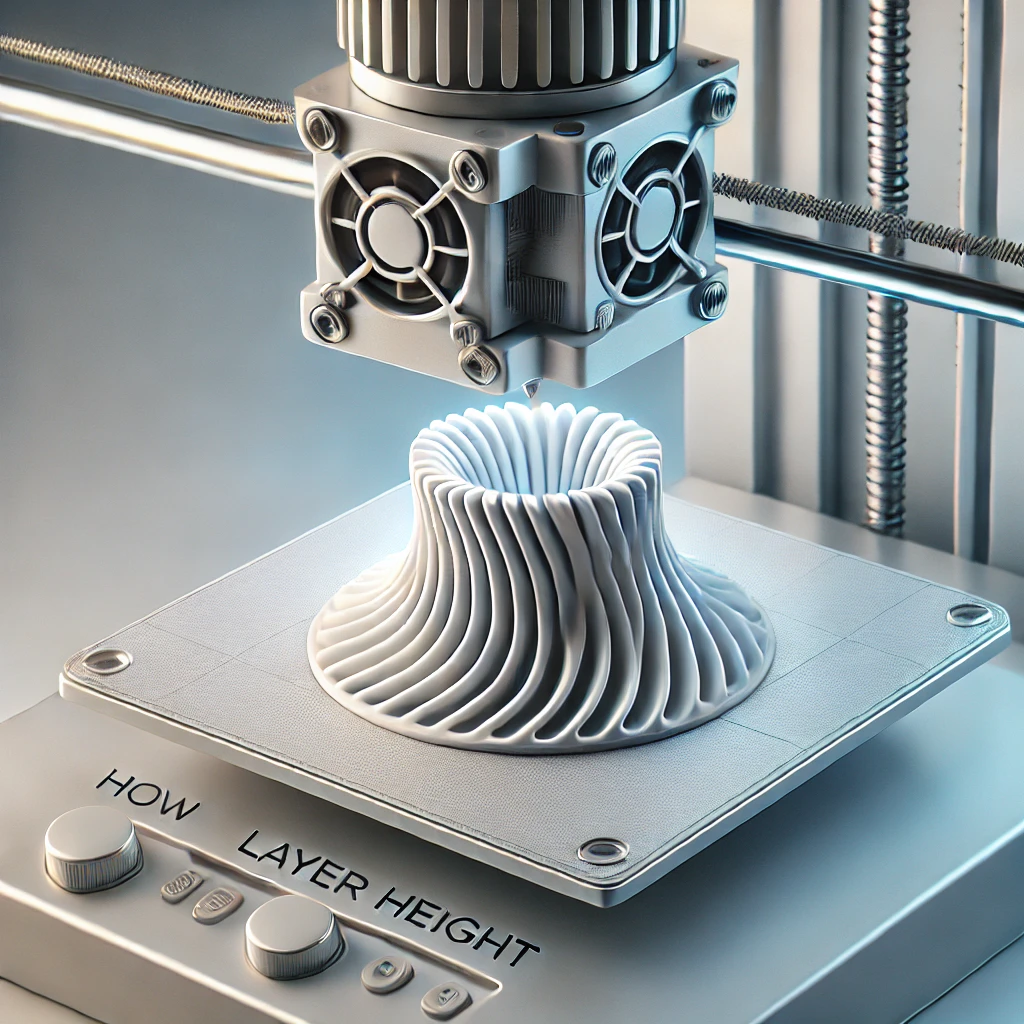
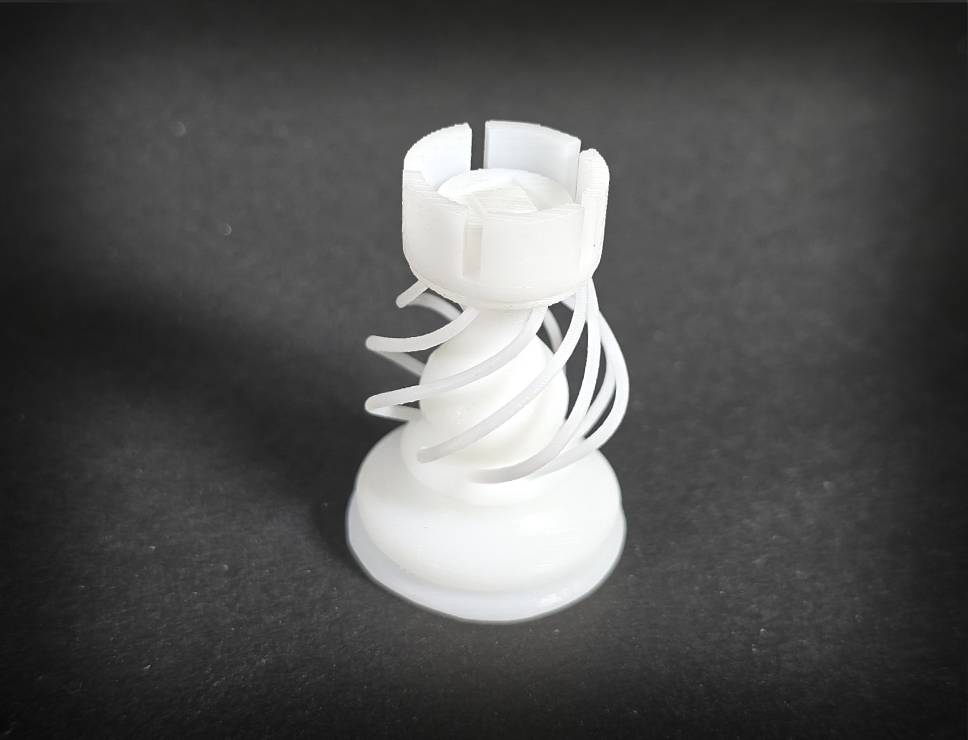
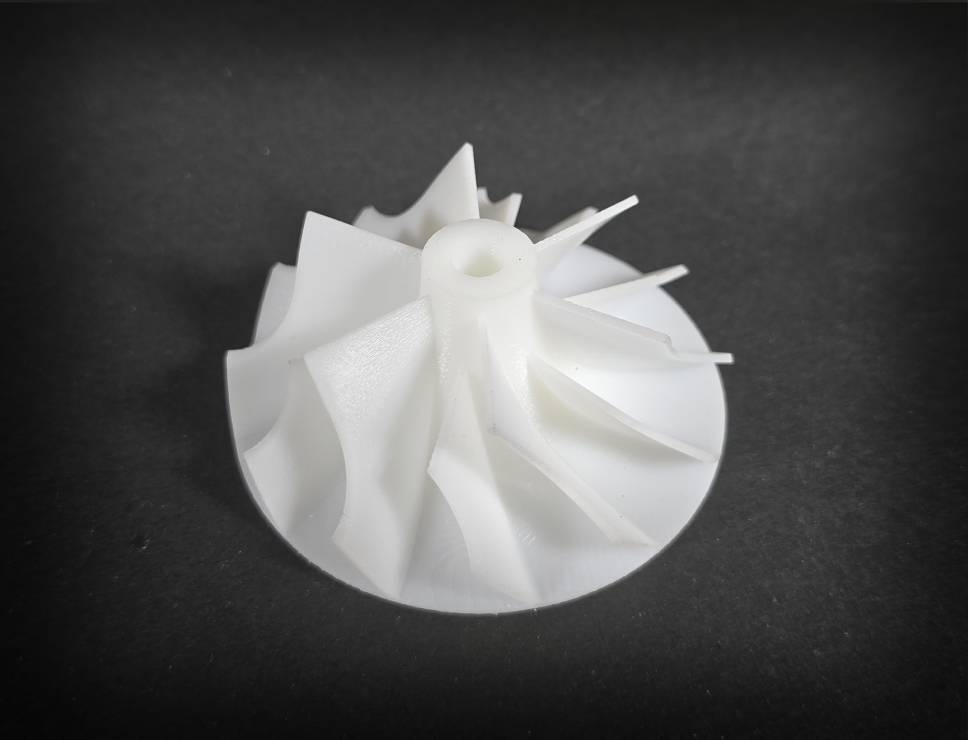
Discover Pro 90% Transparent Resin—a high-performance photopolymer resin for SLA 3D printing offering exceptional clarity,
achieving up to 90% light transmittance, ideal for optical applications, prototypes, and parts requiring
near-optical-grade transparency.
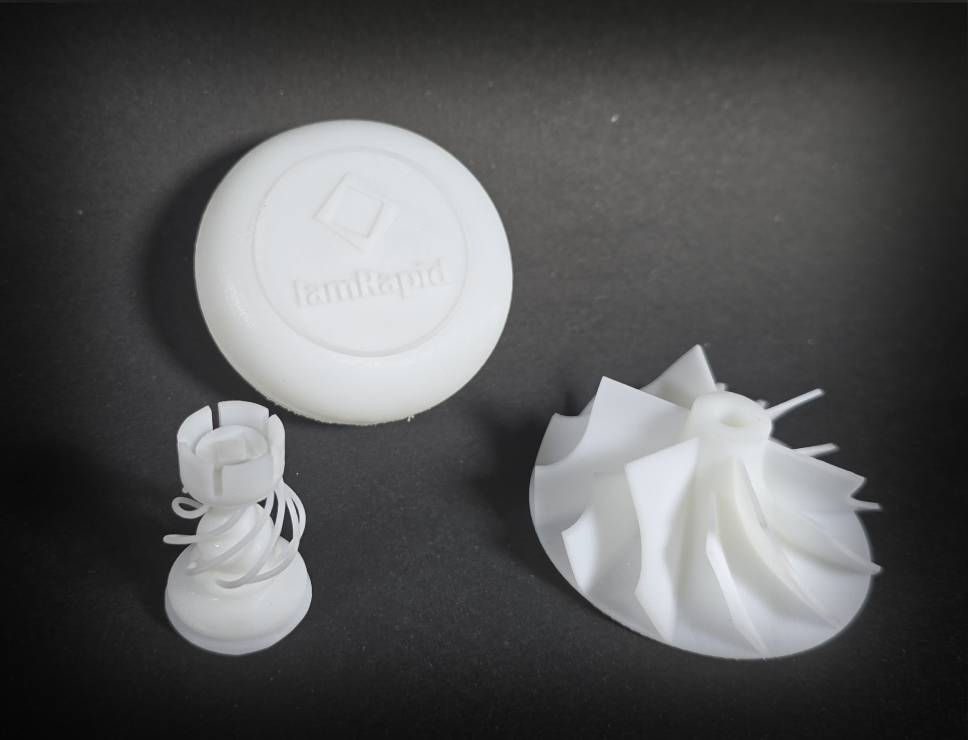
Material Name:
Pro 90% Transparent Resin
Description:
Pro 90% Transparent Resin is a specialized photopolymer resin designed for SLA 3D printing, formulated to
achieve high levels of transparency, with up to 90% light transmittance. This resin is engineered for
applications demanding superior optical clarity, such as lenses, light guides, and transparent prototypes.
It produces prints with minimal color tint and high detail resolution. To attain the best transparency,
meticulous post-processing, including polishing and UV curing, is essential. The resin offers good
dimensional accuracy and is suitable for parts where both aesthetics and optical performance are critical.
While it provides better mechanical properties than standard resins, it's primarily intended
for visual models rather than high-stress functional components.
Material Type:
High-Transparency Photopolymer Resin
Price:
Available color:
Clear
Process compatibility:
SLA compatible
DLP compatible
Special Properties:
High Optical Clarity
High Detail Resolution
Smooth Surface Finish
Low Color Tint
Limitations:
Requires Extensive
Post-Processing
UV Sensitivity
Brittle Nature
Higher Cost
Material rating
Key Pro 90% Transparent Resin properties rated to guide you in selecting the best fit for your 3D printing
needs.
Strength3 of 5
Flexibility2 of 5
Detail Resolution5 of
5
Surface Smoothness5 of
5
Heat Resistance2 of 5
Chemical Resistance2 of
5
Ease of Printing3 of 5
Cost Efficiency2 of 5
Applications
Pro 90% Transparent Resin is ideal for producing parts requiring near-optical-grade
transparency, such as precision lenses, optical components, and high-end prototypes. It's suitable for
industries where optical performance and visual aesthetics are paramount.
Optics and Photonics Applications
Lenses and prisms
Light guides and diffusers
Optical sensors
Medical Devices Applications
Transparent surgical models
Microfluidic devices
Diagnostic equipment components
Consumer Electronics Applications
Transparent enclosures
Display components
LED lighting prototypes
Research and Development Applications
Optical testing prototypes
Fluid flow visualization models
Educational tools
Additional Applications
High-End Aesthetic Models
Transparent Connectors
Specialized Prototyping
Mechanical Properties
Offers better mechanical properties than standard transparent resins, with moderate strength suitable for
visual models and prototypes with limited mechanical stress.
Property
Value, metric
Tensile Strength
Approximately 45 MPa
Tensile Modulus
Approximately 2,000 MPa
Elongation at Break (%)
5
Flexural Strength
Approximately 70 MPa
Flexural Modulus
Approximately 2,200 MPa
Notched Izod Impact Strength
Approximately 22 J/m
Shore Hardness
Shore D 82
Characteristics
Printing with Pro 90% Transparent Resin requires careful handling and precise printing
parameters. To achieve maximum transparency, high-resolution settings and controlled curing processes are
necessary. Post-processing is critical, involving meticulous cleaning, sanding, polishing, and UV curing to
enhance optical clarity.
Type
Value
Lead Time
2-5 business days
Wall Thickness
Minimum 0.8 mm
Tolerance
±0.1%, minimum ±0.05 mm
Max Part Size
Up to 600x 600 x 450 mm
Layer Height
-
Thermal Properties
Low to moderate heat resistance; parts may soften at elevated temperatures.
Property
Value, metric
Heat Deflection Temperature (HDT)
Approximately 50°C at 0.455 MPa
Thermal Expansion Coefficient
Approximately 75 x 10^-6 /°C
Thermal Expansion (Scale 0-100)
68
Max Service Temperature
Up to 50°C before significant deformation may occur
Electrical Properties
Acts as an electrical insulator; suitable for non-conductive components.
Property
Value, metric
ESD Safety
Not ESD safe
Conductivity
Non-conductive; insulating properties
NOTE: The provided
values are approximate and can vary
based on the specific Pro 90% Transparent Resin formulation and
manufacturer. Always refer to the manufacturer's technical data
sheet for precise information.
Find your queries
Frequently Asked Question(FAQ)
General
Printing
Post-procesing
Troubleshooting
Advanced
What is Pro 90% Transparent Resin, and what are its main characteristics?
Pro 90% Transparent Resin is a high-performance photopolymer resin designed for SLA 3D printing,
offering up to 90% light transmittance. It's engineered for applications requiring superior optical
clarity and minimal color tint.
How does Pro 90% Transparent Resin differ from Standard Transparent Resin?
It provides significantly higher transparency and better optical properties, making it suitable
for precision optical components. It may also have improved mechanical properties and requires more
meticulous post-processing.
Is Pro 90% Transparent Resin suitable for functional optical components?
Yes, it's ideal for prototypes and certain functional components where high transparency and
optical performance are required. However, for critical optical applications, additional testing and
validation are necessary.
Can Pro 90% Transparent Resin be used for medical applications?
It can be used for medical models and devices, but biocompatibility depends on the
manufacturer's certifications. Always verify suitability for medical use.
Is Pro 90% Transparent Resin safe to handle?
Handle with standard resin safety precautions, including wearing gloves and eye protection, and
ensure good ventilation. Follow the manufacturer's safety guidelines.
What are the ideal printing settings for Pro 90% Transparent Resin?
Use high-resolution settings with layer heights between 25-50 microns. Precise exposure times as
recommended by the manufacturer are crucial for optimal results.
Do I need special equipment to print with Pro 90% Transparent Resin?
A high-quality SLA or DLP printer compatible with the resin's curing wavelength is required. A
printer capable of high-resolution printing enhances the final transparency.
How do I minimize imperfections to achieve maximum transparency?
Maintain a clean printing environment, use fine layer heights, and ensure the resin is free of
contaminants. Regularly clean and calibrate your printer.
Can I print large parts with Pro 90% Transparent Resin without losing clarity?
Yes, but larger parts may present challenges like increased risk of defects. Careful planning
and support placement are essential.
Does ambient light affect printing with Pro 90% Transparent Resin?
Yes, ambient UV light can cure the resin unintentionally. Work in a controlled environment and
store resin in opaque containers.
How do I achieve the highest level of transparency in my prints?
After printing, thoroughly clean the part, sand progressively with fine-grit sandpaper, polish
with suitable compounds, and apply a clear UV-resistant coating.
What polishing techniques are recommended for Pro 90% Transparent Resin?
Wet sanding followed by buffing with polishing compounds can achieve a glass-like finish. Use
microfiber cloths and avoid introducing scratches.
Can I use UV-curable clear coatings to enhance transparency?
Yes, applying a clear resin or UV-curable coating can fill microscopic surface imperfections and
improve light transmittance.
How do I prevent yellowing during post-processing?
Avoid overexposure during UV curing and use UV-blocking coatings to protect the print from
degradation.
Is special equipment needed for post-processing?
While not mandatory, using professional polishing equipment and UV curing stations can
significantly improve the final result.
Why is my print not achieving the expected transparency?
Insufficient post-processing, surface imperfections, or contamination can affect transparency.
Ensure thorough cleaning, sanding, and polishing.
What causes micro-cracks or crazing in transparent prints?
Rapid curing or thermal stress can lead to micro-cracks. Control curing times and avoid sudden
temperature changes.
How can I prevent bubbles in my transparent prints?
Allow the resin to settle before printing to release trapped air, and pour the resin slowly into
the vat.
Why are my prints exhibiting a color tint?
Color tint can result from the resin's formulation or overexposure during printing. Verify the
resin's shelf life and adjust exposure settings.
How do I fix uneven transparency across the print?
Ensure consistent post-processing across all surfaces and avoid over-curing certain areas during
UV exposure.
Can Pro 90% Transparent Resin be used for producing optical lenses?
Yes, with precise printing and meticulous post-processing, it can produce lenses suitable for
certain applications.
How does humidity affect the printing and curing process?
High humidity can interfere with resin curing and may cause surface defects. Print and cure in a
controlled environment with low humidity.
Is it possible to incorporate color filters or gradients in transparent prints?
Advanced techniques like adding compatible dyes or using multi-material printers can achieve
color effects, but may affect overall transparency.
Can Pro 90% Transparent Resin be used in microfluidic applications?
Yes, its high transparency makes it suitable for creating microfluidic devices where visual
monitoring of fluids is necessary.
How do I store Pro 90% Transparent Resin to maintain its quality?
Store in a cool, dark place in an opaque, airtight container to prevent premature curing and
degradation.
Explore Related 3D Printing Materials
This material is used with SLA 3D printing technology. Explore other materials that may suit your project: