




-
How it works

-
Industries
-
Services
-
Material
-
Company
-
Resources
 sushant@iamrapid.com
 +91
8629044664
+91
8629044664









 Basic
Industries
Services
Resources
Basic
Industries
Services
Resources
Experience enhanced stiffness and thermal stability with PA12 GF30—a glass-filled polyamide 12 powder for SLS 3D printing, ideal for producing rigid, high-strength parts requiring dimensional stability under load and elevated temperatures.
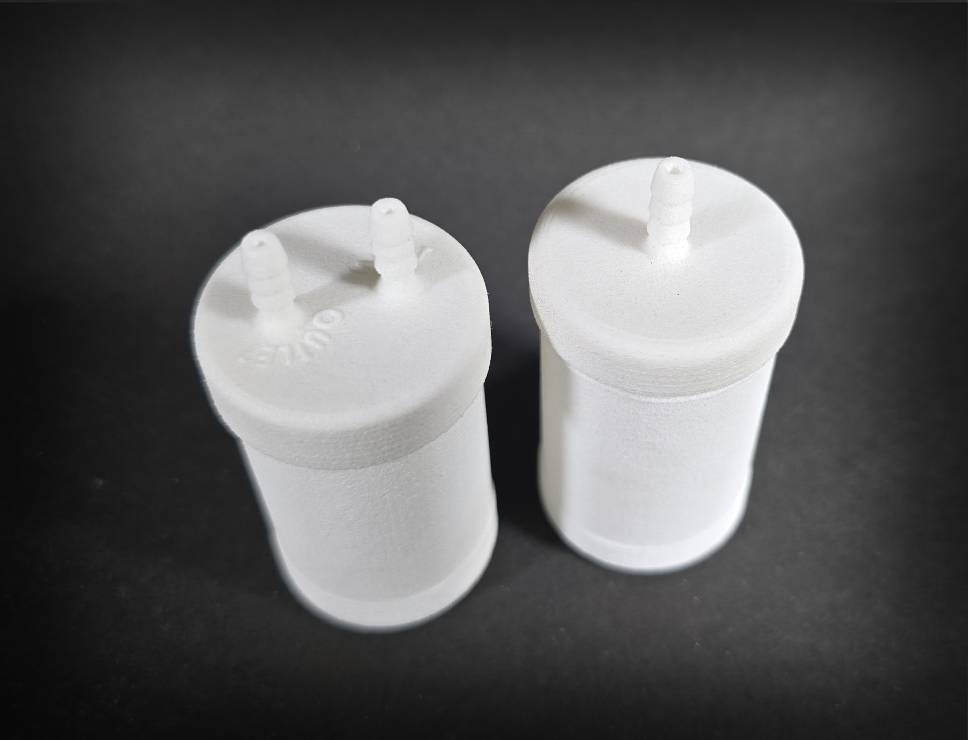
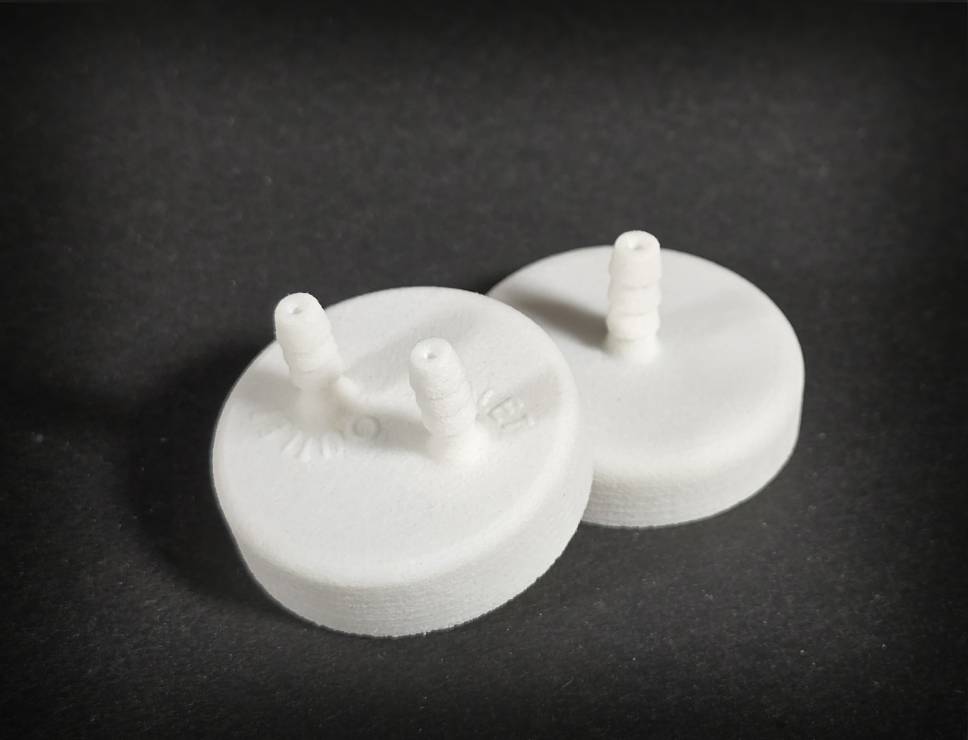
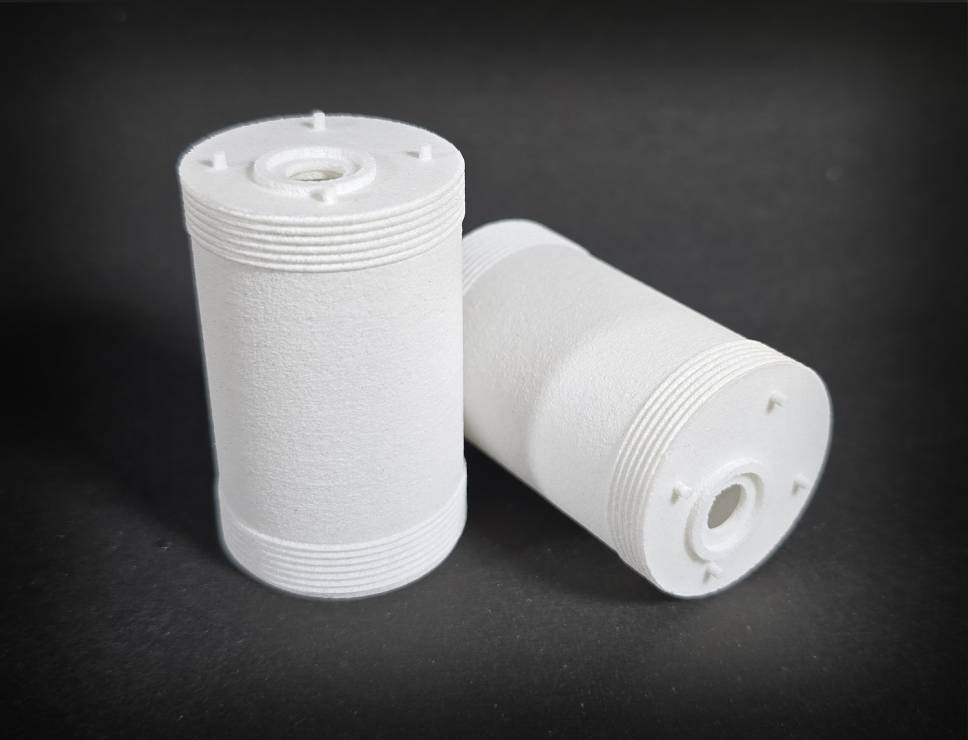


PA12 GF30 is a glass fiber-reinforced nylon powder containing 30% glass fibers by weight. This material offers increased stiffness, strength, and thermal resistance compared to unfilled PA12. It is suitable for parts that must withstand mechanical stress, high temperatures, and require dimensional stability. Common applications include automotive components, industrial fixtures, and parts subjected to load-bearing conditions.


 SLS compatibleHigh Stiffness and StrengthEnhanced Thermal StabilityGood Dimensional AccuracyReduced Warping and Shrinkage
 Increased BrittlenessRougher Surface FinishAbrasive to EquipmentLimited Flexibility
Key PA12 GF30 (White) properties rated to guide you in selecting the best fit for your 3D printing needs.
PA12 GF30 is ideal for producing parts that require high stiffness, strength, and thermal resistance. It is suitable for functional prototypes and end-use components subjected to mechanical loads and elevated temperatures.
Engine componentsStructural bracketsHeat-resistant partsGears and housingsTooling and fixturesMechanical componentsEnclosuresHeat sinksMounting hardwareLoad-bearing prototypesJigs and fixturesHigh-stress componentsHigh-Temperature DuctingStructural PartsMechanical Testing Models
Provides high stiffness and strength with reduced flexibility, suitable for parts under mechanical stress.
| Property | Value, metric |
|---|---|
| Tensile Strength | Approximately 75 MPa |
| Tensile Modulus | Approximately 4,000 MPa |
| Elongation at Break (%) | 3% |
| Flexural Strength | Approximately 115 MPa |
| Flexural Modulus | Approximately 3,800 MPa |
| Notched Izod Impact Strength | Approximately 4 kJ/m^2 |
| Shore Hardness | Shore D 80 |
Printing with PA12 GF30 involves SLS technology. The presence of glass fibers can make the powder more abrasive, requiring consideration for equipment maintenance. Post-processing may include bead blasting and machining to improve surface finish.
| Type | Value |
|---|---|
| Lead Time | 3-10 business days |
| Wall Thickness | Minimum 1.0 mm |
| Tolerance | ±0.3%, minimum ±0.3 mm |
| Max Part Size | Up to 600x 600 x 450 mm |
| Layer Height | - |
Enhanced thermal resistance, suitable for high-temperature applications.
| Property | Value, metric |
|---|---|
| Heat Deflection Temperature (HDT) | Approximately 170°C at 1.8 MPa |
| Thermal Expansion Coefficient | Approximately 40 x 10^-6 /°C |
| Thermal Conductivity | Approximately 0.3 W/m·K |
| Max Service Temperature | Up to 140°C for continuous use |
Acts as an electrical insulator but may have reduced dielectric properties due to glass content.
| Property | Value, metric |
|---|---|
| Dielectric Strength | Approximately 15 kV/mm |
| Dielectric Constant (1 MHz) | Approximately 4.0 |
| Volume Resistivity | Approximately 10^10 Ω·cm |
| ESD Safety | Not ESD safe without treatment |
 NOTE: The provided
values are approximate and can vary
based on the specific PA12 GF30 formulation and
manufacturer. Always refer to the manufacturer's technical data
sheet for precise information.
NOTE: The provided
values are approximate and can vary
based on the specific PA12 GF30 formulation and
manufacturer. Always refer to the manufacturer's technical data
sheet for precise information.

