




-
How it works

-
Industries
-
Services
-
Material
-
Company
-
Resources
 sushant@iamrapid.com
 +91
8629044664
+91
8629044664








 Basic
Industries
Services
Resources
Basic
Industries
Services
Resources
Experience enhanced stiffness and dimensional stability with HP PA 12 Glass Beads—a 40% glass-filled nylon material for Multi Jet Fusion (MJF) 3D printing, ideal for producing rigid, high-strength parts that require resistance to deformation under load and elevated temperatures. Also see HP MJF Nylon PA12 for standard nylon applications.
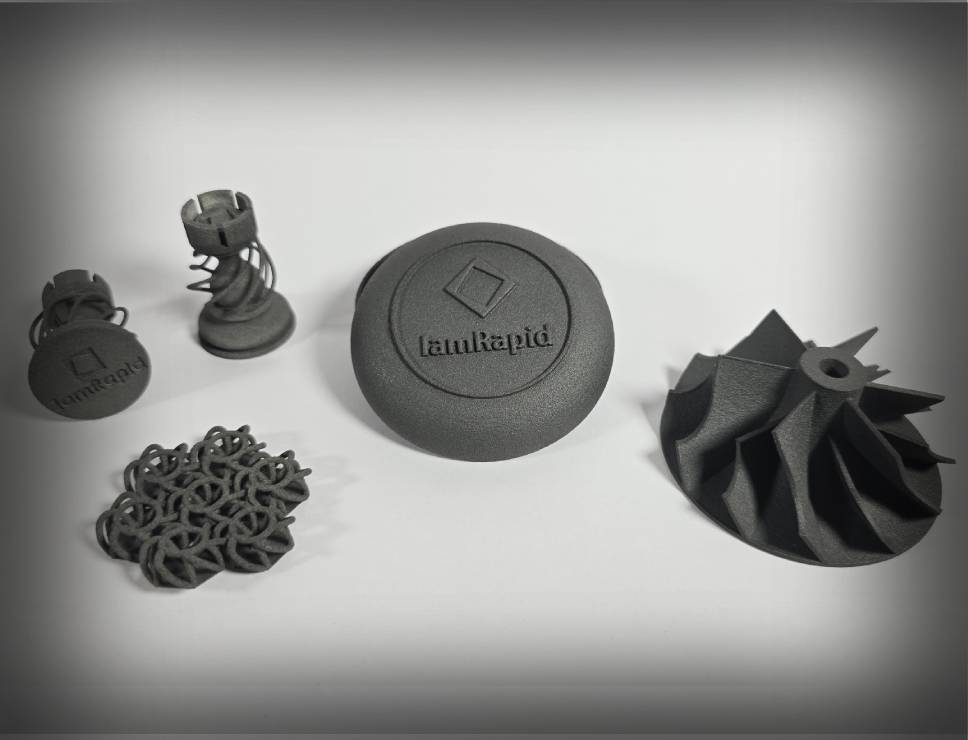
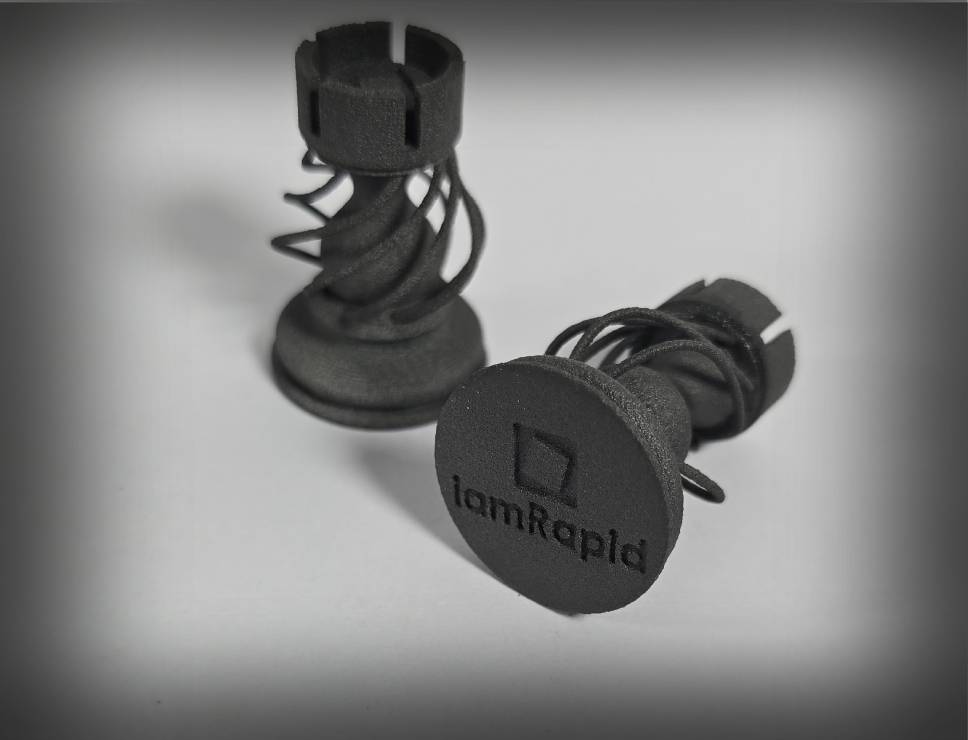
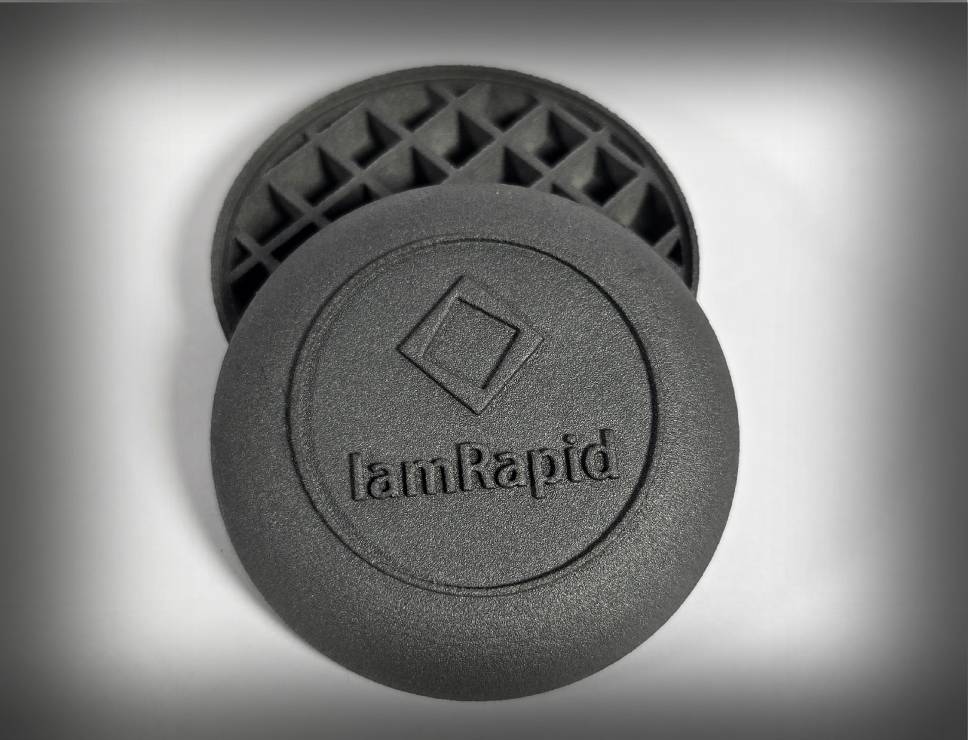


HP PA 12 Glass Beads is a thermoplastic material developed for HP's Multi Jet Fusion 3D printers. It is a nylon (PA12) material reinforced with 40% glass beads by weight. This composite material offers increased stiffness, dimensional stability, and resistance to warping compared to unfilled PA12. It is ideal for producing functional prototypes and end-use parts that need to maintain their shape under mechanical stress and elevated temperatures.


 MJF compatibleHigh Stiffness and StrengthEnhanced Dimensional StabilityGood Thermal ResistanceReduced Warping and ShrinkageGood Surface Finish
 Increased Brittleness Compared to
Unfilled PA12Limited FlexibilityAbrasive to EquipmentNot Suitable for Snap-Fit
Designs
Increased Brittleness Compared to
Unfilled PA12Limited FlexibilityAbrasive to EquipmentNot Suitable for Snap-Fit
Designs
Key HP 3D High Reusability PA 12 properties rated to guide you in selecting the best fit for your 3D printing needs.
HP PA 12 Glass Beads is ideal for producing functional parts that require high stiffness, dimensional stability, and resistance to deformation under load. It is suitable for applications in automotive, aerospace, and industrial sectors where parts are subjected to mechanical stress and elevated temperatures.
Brackets and MountsHousings and EnclosuresStructural ComponentsFixtures and ToolingMachine PartsJigs and FixturesGears and SprocketsHeat SinksCasingsConnectorsFunctional PrototypesLoad-Bearing PartsComponents Requiring Dimensional
AccuracysFluid and Air Flow PartsComponents Exposed to Thermal Stress
Parts Requiring Reduced Warping
Provides high stiffness and strength with reduced flexibility, suitable for parts under mechanical stress and requiring dimensional stability.
| Property | Value, metric |
|---|---|
| Tensile Strength | Approximately 48 MPa |
| Tensile Modulus | Approximately 3,200 MPa |
| Elongation at Break (%) | 3% |
| Flexural Strength | Approximately 70 MPa |
| Flexural Modulus | Approximately 2,900 MPa |
| Notched Izod Impact Strength | Approximately 3 kJ/m^2 |
| Shore Hardness | Shore D 80 |
Printing with HP PA 12 Glass Beads involves using HP's Multi Jet Fusion technology, which uses a fusing agent and detailing agent to selectively melt and fuse powder layers. The presence of glass beads enhances the material's stiffness and dimensional stability. Post-processing may include bead blasting and machining to improve surface finish.
| Type | Value |
|---|---|
| Lead Time | 2-7 business days |
| Wall Thickness | Minimum 1.0 mm |
| Tolerance | ±0.3%, minimum ±0.3 mm |
| Max Part Size | Up to 284x 380 x 380 mm |
| Layer Height | - |
Enhanced thermal resistance, suitable for high-temperature applications.
| Property | Value, metric |
|---|---|
| Heat Deflection Temperature (HDT) | Approximately 173°C at 0.45 MPa |
| Thermal Expansion Coefficient | Approximately 80 x 10^-6 /°C |
| Thermal Conductivity | Approximately 0.5 W/m·K |
| Max Service Temperature | Up to 125°C for continuous use |
Acts as an electrical insulator but may have reduced dielectric properties due to glass content.
| Property | Value, metric |
|---|---|
| Dielectric Strength | Approximately 20 kV/mm |
| Dielectric Constant (1 MHz) | Approximately 3.5 |
| Volume Resistivity | Approximately 10^11 Ω·cm |
| ESD Safety | Not ESD safe without treatment |
 NOTE: The provided
values are approximate and can vary
based on the specific HP 3D High Reusability PA 12 formulation and
manufacturer. Always refer to the manufacturer's technical data
sheet for precise information.
NOTE: The provided
values are approximate and can vary
based on the specific HP 3D High Reusability PA 12 formulation and
manufacturer. Always refer to the manufacturer's technical data
sheet for precise information.

