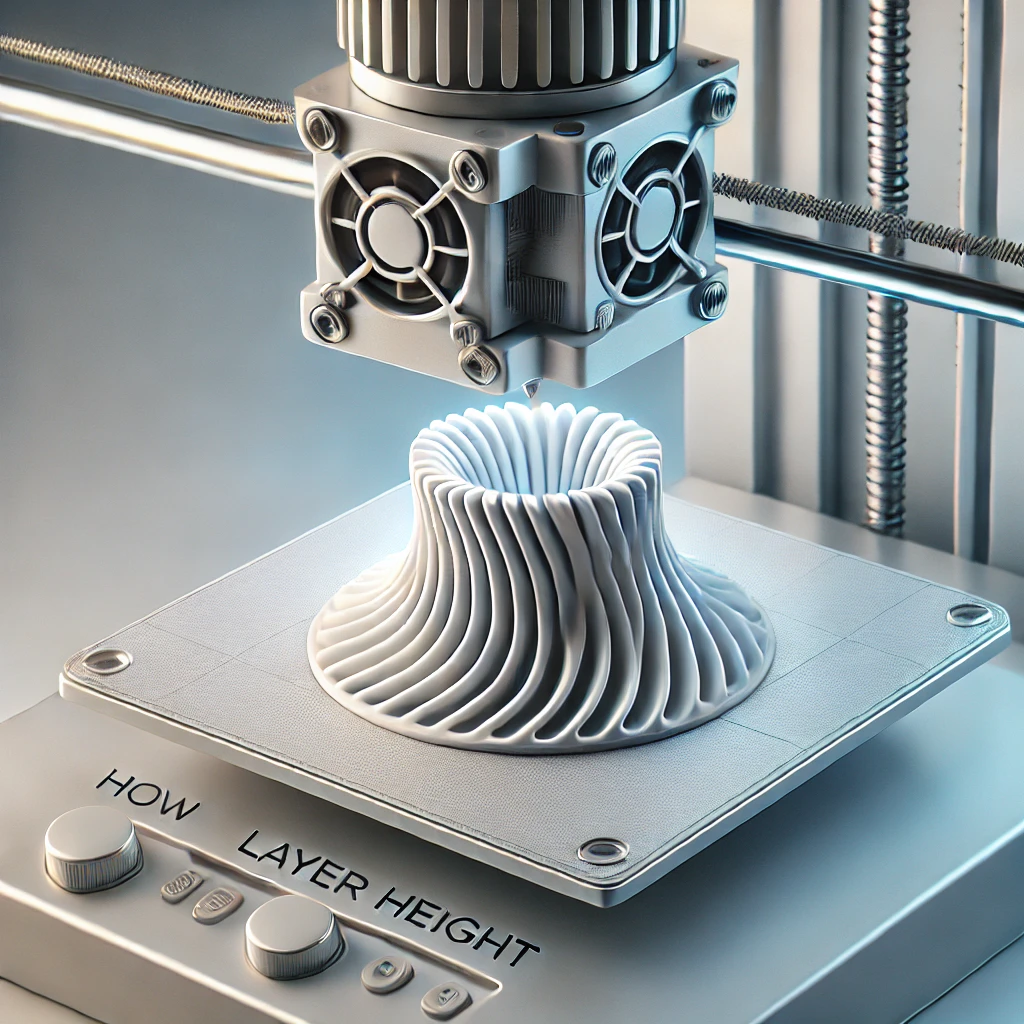
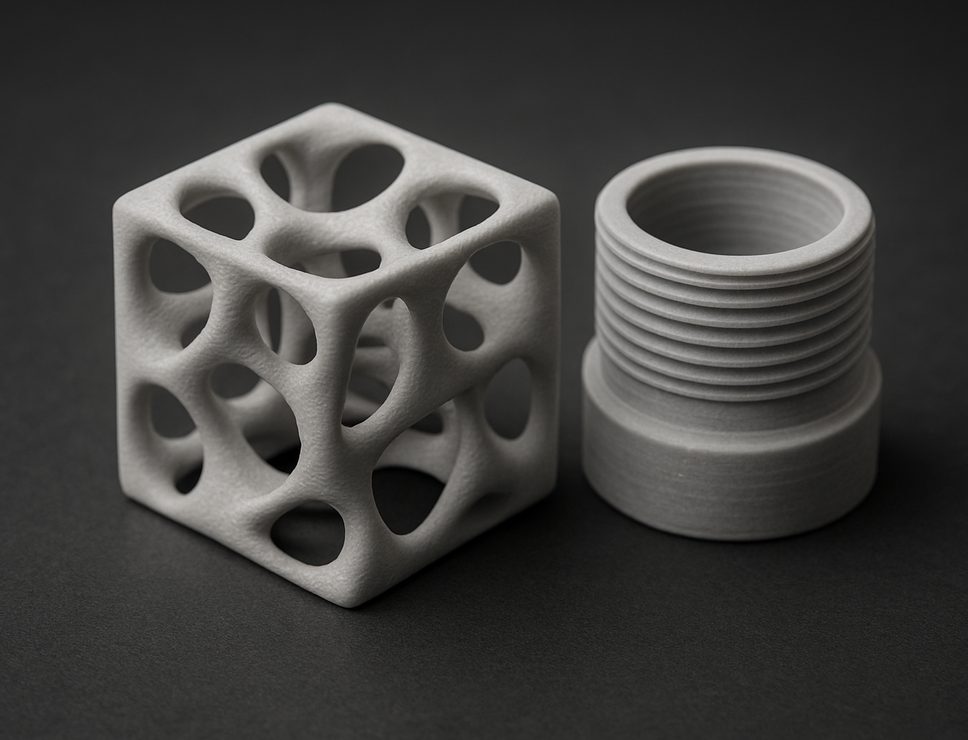
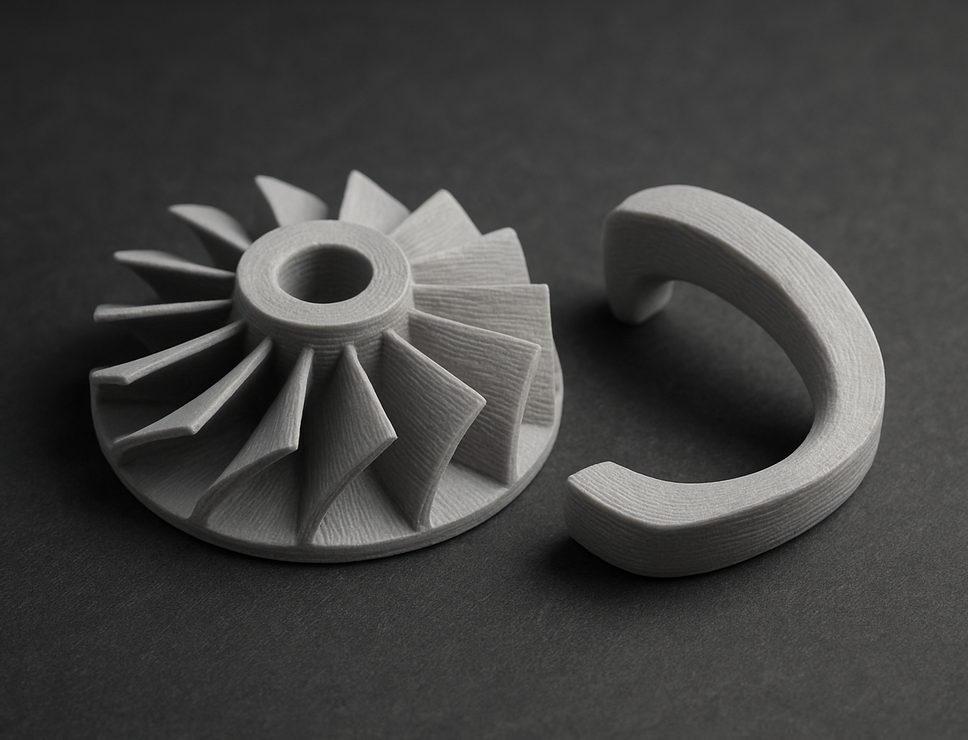
Discover ASA, a UV-resistant thermoplastic ideal for FDM 3D printing—known for its excellent weatherability,
toughness, and aesthetic finish, perfect for outdoor applications and functional prototypes.
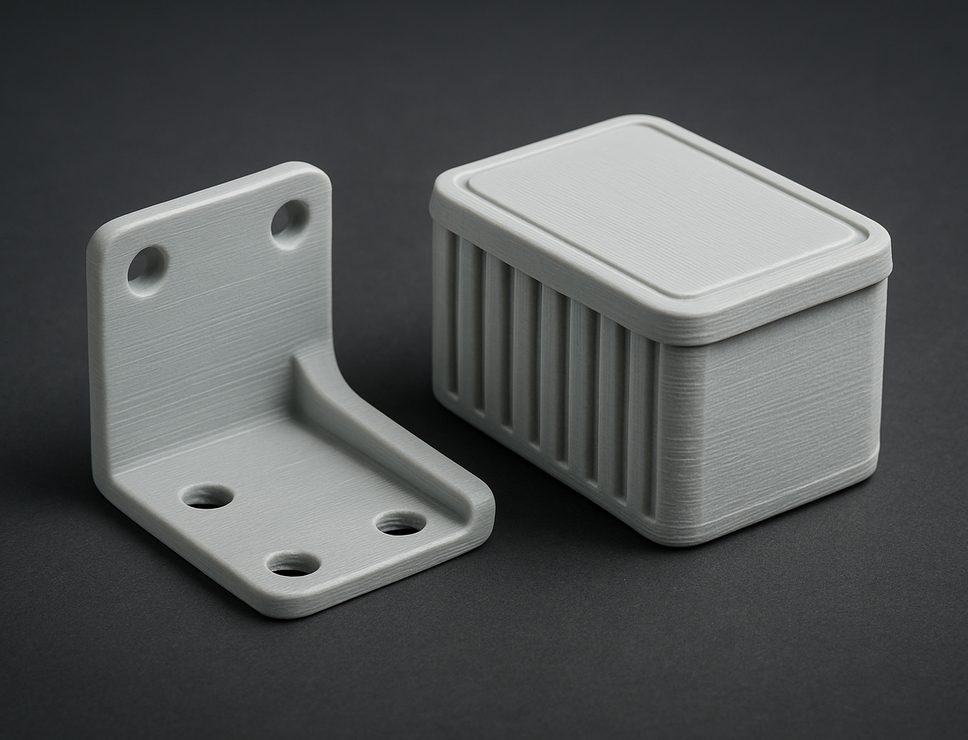
Material Name:
ASA (Acrylonitrile Styrene Acrylate)
Description:
ASA is a thermoplastic polymer closely related to ABS but with enhanced weather resistance and UV
stability. It combines the strength and toughness of ABS with superior resistance to environmental
conditions, making it ideal for outdoor applications. ASA exhibits excellent mechanical properties,
including high impact resistance, good thermal stability, and strong chemical resistance. It produces
parts with a smooth, matte finish and retains color vibrancy over time, even when exposed to sunlight and
harsh weather. ASA's low-gloss surface reduces glare, making it suitable for aesthetic applications. While
it shares similar printing requirements with ABS, ASA's added advantages make it a preferred choice for
functional prototypes and end-use parts that demand durability and longevity in outdoor environments.
Material Type:
Thermoplastic Polymer
Price:
Available color:
Black
White
Gray
Red
Blue
Green
Yellow
Process compatibility:
FDM compatible
Special Properties:
UV Resistance
High Impact Strength
Excellent Weatherability
Good Chemical Resistance
Limitations:
Warping Tendency
Requires Heated Bed and
Enclosure
Fume Emission
Less Flexible Than ABS
Material rating
Key ASA properties rated to guide you in selecting the best fit for your 3D printing needs.
Strength4 of 5
Flexibility3 of 5
Detail Resolution3 of
5
Surface Smoothness4 of
5
Heat Resistance4 of 5
Chemical Resistance4 of
5
Ease of Printing3 of 5
Cost Efficiency3 of 5
Applications
ASA is ideal for producing durable, weather-resistant parts suitable for prolonged
outdoor use. Its UV stability and robust mechanical properties make it perfect for functional prototypes,
end-use parts, and applications where long-term material performance is critical.
Offers high impact strength and rigidity, suitable for parts requiring durability and resistance to
mechanical stress.
Property
Value, metric
Tensile Strength
Approximately 48 MPa
Tensile Modulus
Approximately 2,300 MPa
Elongation at Break (%)
6%
Flexural Strength
Approximately 75 MPa
Flexural Modulus
Approximately 2,100 MPa
Notched Izod Impact Strength
Approximately 90 J/m
Shore Hardness
Shore D 75
Characteristics
Printing with ASA requires similar settings to ABS but benefits from its improved UV
resistance. A heated bed and enclosed build chamber are recommended to prevent warping and ensure optimal
layer adhesion. Adequate ventilation is necessary due to fume emission.
Type
Value
Lead Time
2-5 business days
Wall Thickness
Minimum 1.2 mm
Tolerance
±0.15%, minimum ±0.2 mm
Max Part Size
Up to 450 x 450 x 450 mm
Layer Height
0.1 mm to 0.3 mm
Thermal Properties
Exhibits good heat resistance, maintaining mechanical properties under elevated
temperatures.
Property
Value, metric
Heat Deflection Temperature (HDT)
Approximately 96°C at 0.455 MPa
Thermal Expansion Coefficient
Approximately 85 x 10^-6 /°C
Thermal Expansion (Scale 0-100)
72
Max Service Temperature
Up to 90°C before significant deformation may occur
Electrical Properties
Acts as an electrical insulator with good dielectric properties, suitable for electrical
components.
Property
Value, metric
ESD Safety
Standard ASA is not ESD safe; specialized grades are available.
Conductivity
Non-conductive; insulating material
NOTE: The provided
values are approximate and can vary
based on the specific ASA formulation and
manufacturer. Always refer to the manufacturer's technical data
sheet for precise information.
Find your queries
Frequently Asked Question(FAQ)
General
Printing
Post-procesing
Troubleshooting
Advanced
What is ASA, and how does it differ from ABS?
ASA is a thermoplastic similar to ABS but with enhanced UV and weather resistance, making it
more suitable for outdoor applications.
What are the primary characteristics of ASA?
ASA offers high impact resistance, good mechanical strength, and excellent weatherability,
including UV resistance and color stability.
Where is ASA commonly used outside of 3D printing?
ASA is used in automotive exterior parts, outdoor furniture, and sporting goods due to its
durability and resistance to environmental conditions.
Is ASA suitable for outdoor applications?
Yes, ASA's UV and weather resistance make it ideal for parts exposed to sunlight and harsh
weather conditions.
How does ASA compare to PLA and ABS in terms of strength and printability?
ASA is stronger and more durable than PLA and comparable to ABS in strength, but it offers
better weather resistance. It can be more challenging to print than PLA due to warping
tendencies.
What are the ideal print settings for ASA?
Print temperatures between 240-260°C, bed temperature of 90-110°C, and an enclosed print chamber
are recommended to prevent warping.
Do I need an enclosure to print with ASA?
Yes, an enclosure helps maintain consistent ambient temperatures, reducing warping and cracking
during printing.
How can I improve bed adhesion when printing with ASA?
Use a heated bed with adhesion aids like ABS slurry, glue stick, or specialized build surfaces
designed for high-temperature materials.
Does ASA emit fumes during printing?
Yes, ASA emits styrene fumes, which can be unpleasant and potentially harmful. Proper
ventilation is necessary.
Can I use ASA with standard FDM printers?
Yes, provided the printer can reach the necessary temperatures and preferably has an enclosure.
All-metal hotends are recommended.
Can ASA prints be smoothed using solvents?
Yes, ASA can be smoothed using vapor polishing with solvents like acetone or MEK (methyl ethyl
ketone), but caution is required due to solvent toxicity.
How do I safely perform vapor smoothing on ASA prints?
Use proper protective equipment, work in a well-ventilated area, and follow safety guidelines
for handling flammable and toxic solvents.
Can ASA prints be painted?
Yes, ASA prints can be sanded and painted using paints suitable for plastics. Priming the
surface enhances paint adhesion.
Is it possible to glue ASA parts together?
Yes, ASA parts can be bonded using solvents like acetone or specialized adhesives designed for
styrenic plastics.
How do I remove support material from ASA prints?
Supports can be removed manually. For complex parts, using soluble support materials like HIPS
(dissolvable in limonene) is an option.
Why is my ASA print warping or cracking?
Warping and cracking are due to thermal contraction during cooling. Use an enclosed chamber,
maintain consistent temperatures, and ensure good bed adhesion.
How can I prevent layer separation in ASA prints?
Maintain a warm ambient temperature, reduce cooling fan speeds, and ensure proper layer adhesion
by using appropriate print temperatures.
What causes poor bed adhesion with ASA?
Poor adhesion can result from an unlevel bed, incorrect bed temperature, or inadequate surface
preparation. Use adhesion aids and level the bed properly.
Why are my ASA prints brittle or weak?
Insufficient print temperatures or cooling too quickly can lead to weak prints. Ensure optimal
print settings and gradual cooling.
How do I fix nozzle clogging when printing with ASA?
Regularly clean the nozzle, use high-quality filament, and ensure the extruder maintains the
correct temperature to prevent clogs.
Can ASA be used in dual-extrusion printers with other materials?
Yes, but materials should have similar print temperatures. ASA can be used with HIPS as a
support material, which is dissolvable in limonene..
Is ASA suitable for mechanical parts and prototypes?
Yes, ASA's mechanical properties and durability make it suitable for functional parts,
prototypes, and end-use applications.
How does moisture affect ASA filament?
ASA is less hygroscopic than materials like Nylon but can still absorb moisture over time. Store
it in a dry environment to maintain print quality.
Are there different grades or formulations of ASA available?
Yes, manufacturers may offer variants with different characteristics, such as improved impact
resistance or ease of printing.
Can ASA be recycled or reused?
Recycling ASA is possible but not widely available. It's not biodegradable, so proper disposal
and recycling where possible are important.
Explore Related 3D Printing Materials
ASA is often compared to ABS for its similar mechanical properties but superior UV resistance. Explore other FDM materials: